Showing posts with label plover. Show all posts

9/02/2010

Wriggly worm snatched by Plover prey!

plover gets the worm
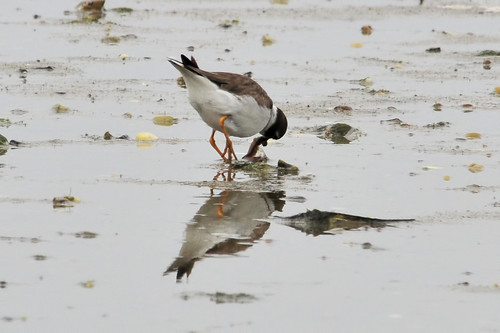
I happened to get a peek at a semipalmated plover as he struggled to pull a worm from the sand. (Have you ever thought about how many worms must be just under our feet all the time? The idea doesn't thrill me all that much!) He almost had his lunch in hand when he dropped it . . .

plover gets the worm 2
And the worm immediately slivered back into the sand. Well, he tried, anyway.

plover gets the worm 3
But our plucky little plover snatched him back and started pulling for all he was worth.

plover gets the worm 4
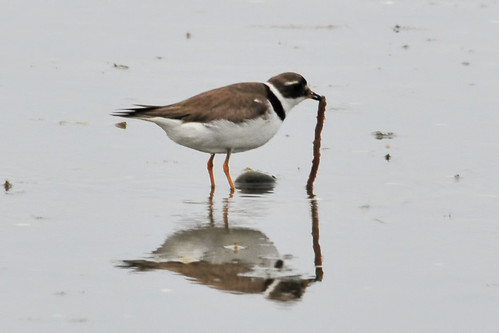
He pulled and he pulled and he pulled until with a big slurping sound (or so I imagine) the wormed popped free.

plover gets the worm 5
And the brave little plover marched away with his lunch just as bold as brass - very daring when you consider all the gulls in the vicinity. As far as I know he managed to slip away and enjoy his lunch peacefully that day. Good for him!

8/14/2010

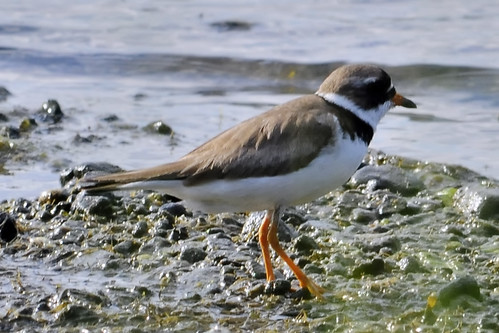
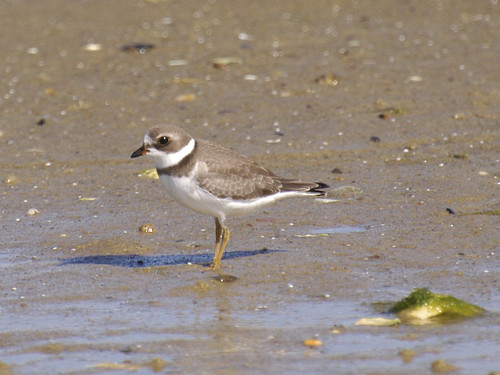
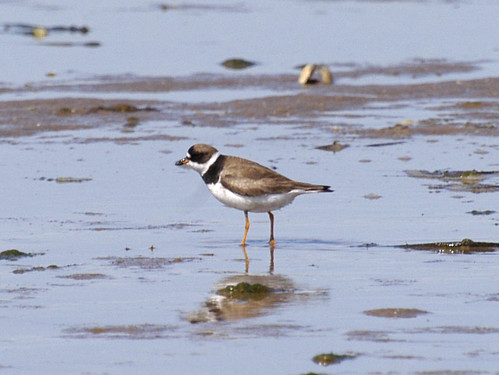
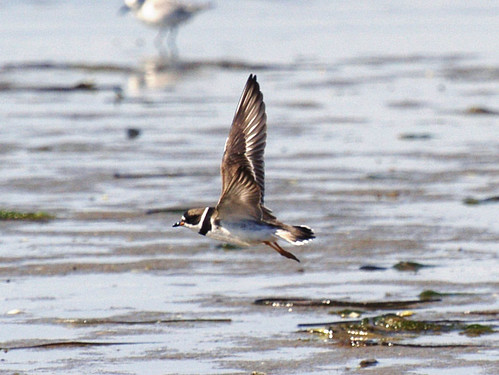
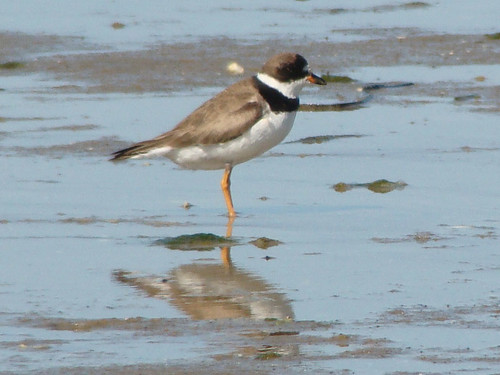
Seeing Semipalmated Plovers at the Seashore

plover pocasset july 2010
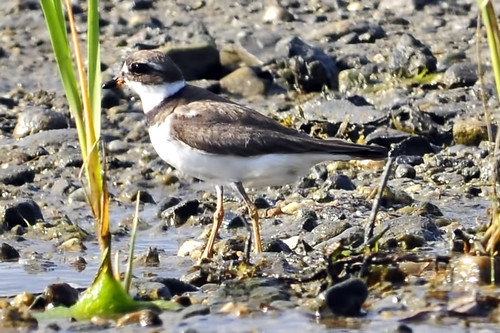
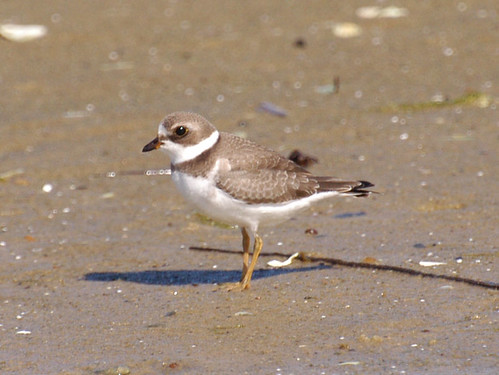
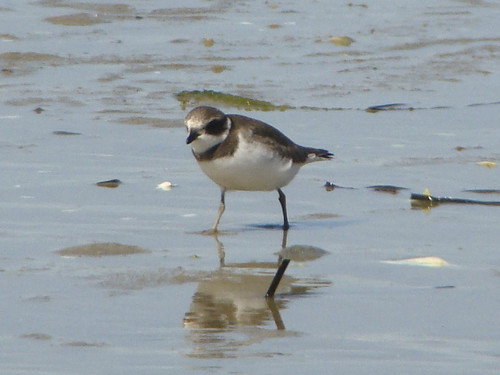
Here's a familiar shorebird friend, the Semipalmated Plover. Semipalmated Plovers are so named because of their partially webbed feet (semi = partly, palmate = webbed). Unfortunately , that's a feature you cannot see here because his feet are in the mud!

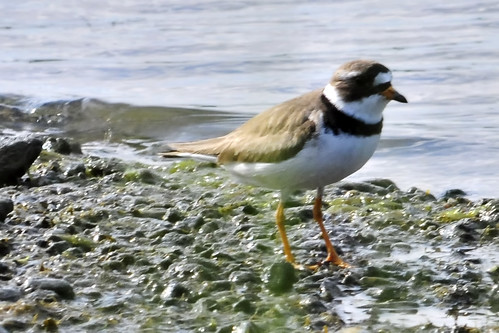
plover II  pocasset july 2010
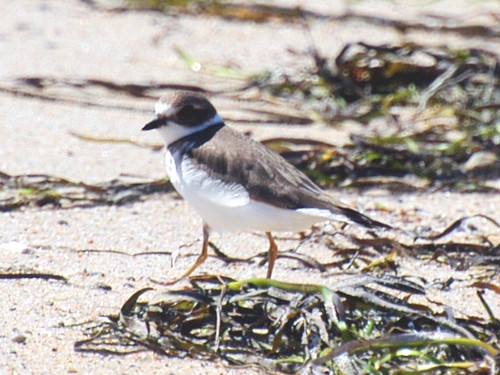
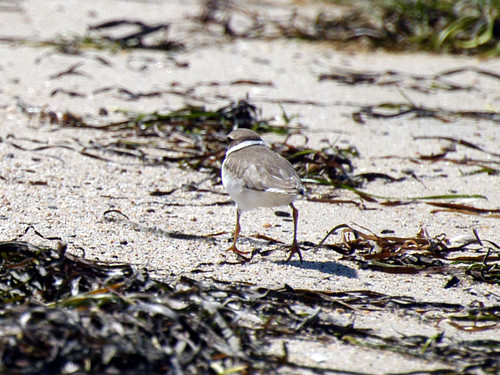
There are a lot of similar looking plovers in the world, but if you see one like this around here, chances are it's a semipalmated. Semipalmated plovers gave have a single, dark neck band in all plumages.

plover III  pocasset july 2010
In breeding plumage the bill is distinctly black-tipped and orange-based, and a white dot is visible behind and above each eye.

plover IV  pocasset july 2010
In breeding plumage, the white forehead is surrounded by black. In non-breeding plumage, both the band and the head are brown instead of black, and the bill is more black than orange.

12/21/2009

Might makes Right!

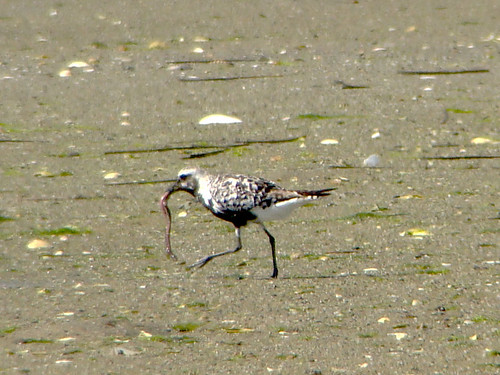
bb plover w worm sony copy
Humans are not the only species that steal.  We are not the only bullies on the planet, either.  The natural world is neither idyllic nor peaceful.   Check out this little scenario for an example of the Might makes Right philosophy.  The Black-bellied Plover has a worm bigger than he is!  But catching a worm may not translate into eating a worm in the avian world.

bb plover fishing sony copy
The plover has to work very hard just to get enough to eat.  The competition for food is fierce.

bb plover fishing catching worm sony copy
Getting a fat, juicy worm (or whatever) will keep him going for another day.

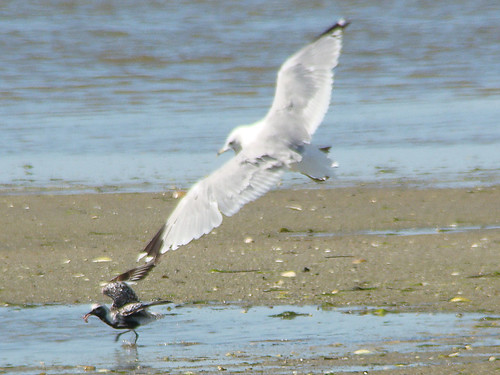
bb plover attack copy
But the bullies are never far away on the beach. They steal from everyone; including each other. You have to use it or lose it! Eat it or beat it! It is a bird-eat-bird world at the shore; just as it is everywhere on earth.

10/01/2009

Black-bellied Plovers

cutest plover sony copy
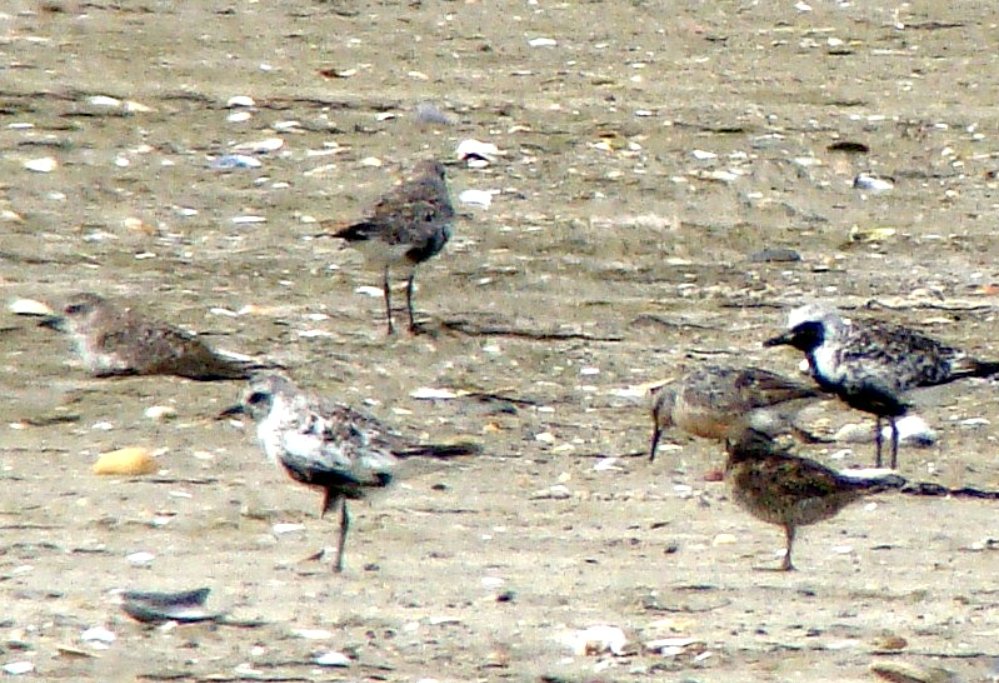
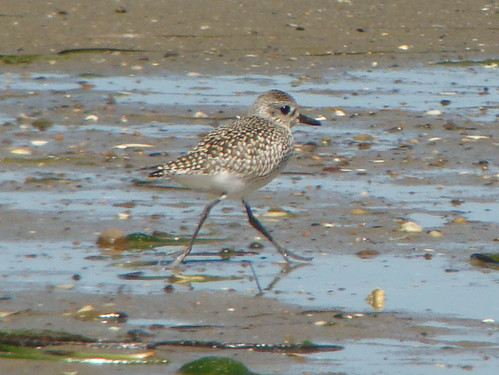
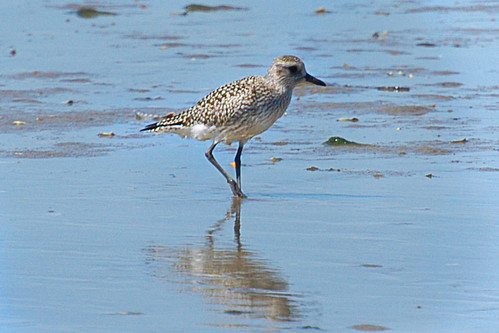
This is a juvenile Black-Bellied Plover.  Note the bright white belly, brown head, and brown polka-dotted feathers. 
DSC_1706 copy
Here is the little guy's Mom.  Of course!

black bellied plover sony copy
This black and white (or maybe grayish brown) guy is his brother.

DSC_1292 copy
This is his sister.  She is brown speckled, but with a reddish belly.  She has a longer tail and black tail feathers.

DSC_1234 copy
This grey bird with a facial mask and crew cut is the little bird's cousin.

BB plover with terns sony copy
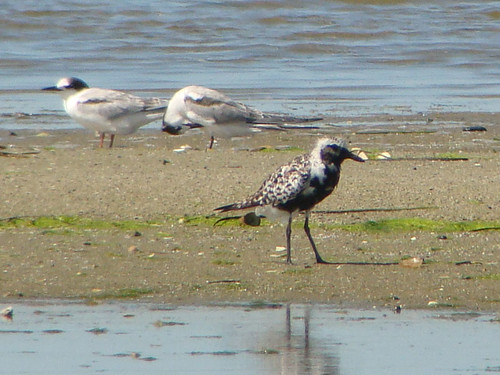
And this is his Dad!  See how easy it is to recognize Black-bellied Plovers?   Now, can you ID the terns in this photo?  Terns are easy, too!

PS.  I'm joking.  I'm not certain of the ages, sexes, or even the species of any of the birds pictured here!

9/24/2009

Semipalmated Plovers All?

Juvenile Semipalmated Plover
What makes shorebirds impossible is not just the five radically different plumage's per bird, or the fact that they are changing drastically from minute to minute right when I am trying to ID them.

Juvenile Semipalmated Plover 3
The problem is not necessarily the effects of molting that makes every single little bird look fundamentally different from the guidebook pictures.

Semipalmated Plover 4
It is not really related to the difficulty of judging a bird's size across miles of beach and endless ocean. Or the way the sunlight reflecting off sand and water can change a bird's colors.

Semipalmated Plover flying
Those are all major problems, at least for me. But the real impossibility arises when you also have ten or twenty species that are VIRTUALLY IDENTICAL on top of all the above!

Semipalmated Plover 5
I am starting to suspect they aren't really distinct species after all! The birds are interbreeding like crazy and someone diabolical is snickering madly at those of us who try and ID a particular peep by name!  (PS. If you are learning your shorebirds after decades of dismissively lumping them together as "stupid peeps," I suggest you stay away from the book "Shorebirds of North America, Europe, and Asia." Way too many identical birds you don't need to know about).

Semipalmated Plover 6
I did learn to scrutinize a bird's feet from that book. Feet are very important when trying to ID a bird that was brown yesterday and is white this afternoon! You can eliminate species by the dozens just by noting whether or not there is a hind toe, how big the toe is (if it exists), and whether the bird has a little bit of webbing between the toes. Partial webbing translates into "semi - palmated"; hence the semipalmated plover and sandpiper.  Semipalmated plovers are by far the most common around here right now. They have orange legs, black and orange bills, and a variety of colors elsewhere depending on age, etc.

Plover 1
Only this one doesn't have orange legs.  No orange on the bill, either.  I have five pictures of this guy; from all angles and facing all directions - and his legs are definitely gray or black and his bill is definitely all black.

Plover 3
So, what the hell kind of bird is this?  A juvenile something with dark, really plain feathers and grey legs and black bill is not your average plover. 

Plover 2
I refuse to believe this is yet another once-in-a-lifetime bird.  I'm ready to toss the images and forget I saw this guy at all. But first I have to scrutinize all 1200 pictures again (yes, 1200 pictures in one day. Pete took about 600 and so did I. That's how we do it.) So, three hours later what do I discover?

Plover 4
I took a picture of a plover just like that one 15 minutes before Pete took his. In this angle and with this light and this camera, I see that the bird's legs were dirty! They are grey in front and orange behind! Even if it is not the same bird, the same thing probably happened to that little guy! No doubt his mouth is dirty, too. Mystery solved!

Plover 5
Damned if those aren't semipalmated feet he got there, too! Can you believe it!

9/16/2009

The Perfect Day

banded oysterccatchr
My son and I returned to South Beach in Chatham on Monday, hoping to see some of the birds we missed last month.  Our second trip was picture perfect in every way!  The weather was as good as it gets; 75 degrees, not a cloud in the sky, and nice steady wind blowing the bugs away.  That's right - NO BUGS!  The tide was perfect timed for shore-birding, reaching dead low two hours into our trip.  The island was perfect because there was almost no one there but us. Best of all, the birds on South Beach were perfect: exactly what we hoped to see this trip, and much more.  My pictures weren't perfect, unfortunately.  The good news is that my son was taking pictures too, and his images are extraordinary!

Oystercatcher and peep
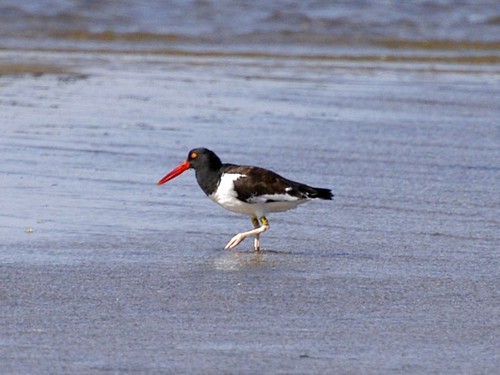
I'll start posting my son's images tomorrow.  In the meantime, this post will serve as a preview of coming attractions.  The first amazing bird we saw was the one I most wanted to see; the American Oystercatcher.  You have to agree that these are the coolest-looking birds we have around here, right?  Well, we saw a whole family of Oystercatchers on Monday - they were with us most of the day!  My son took about 200 Oystercatchers pictures.  Wait till you see them!

Common Terns and Black Terns
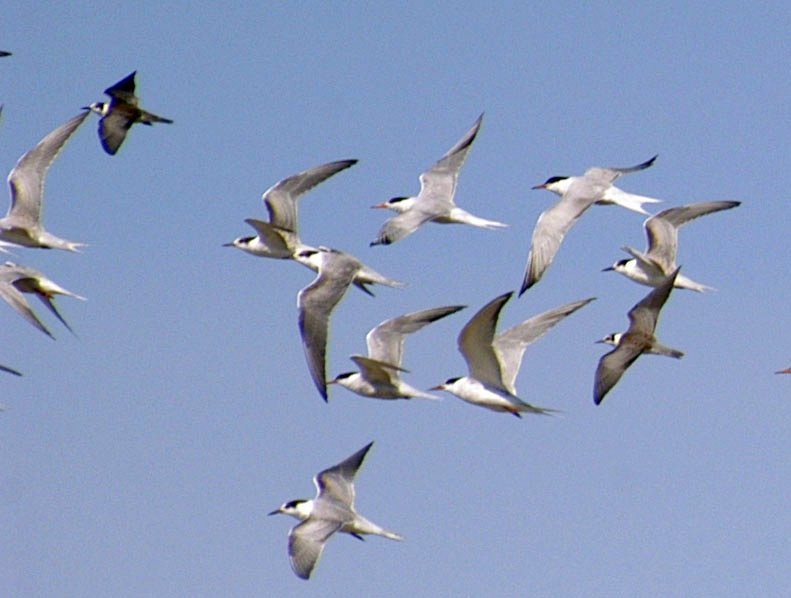
I wanted to see a whole flock of terns very badly. Other people have seen them, and I loved seeing the photos. As you can see, I lucked out once again! A flock of terns in mid-air; how cool is that? (This flock of terns has a few surprises in store. I won't reveal what makes this photo special just yet, but if you look carefully, you may see it yourself!)

9/07/2009

Birds of South Beach, Chatham

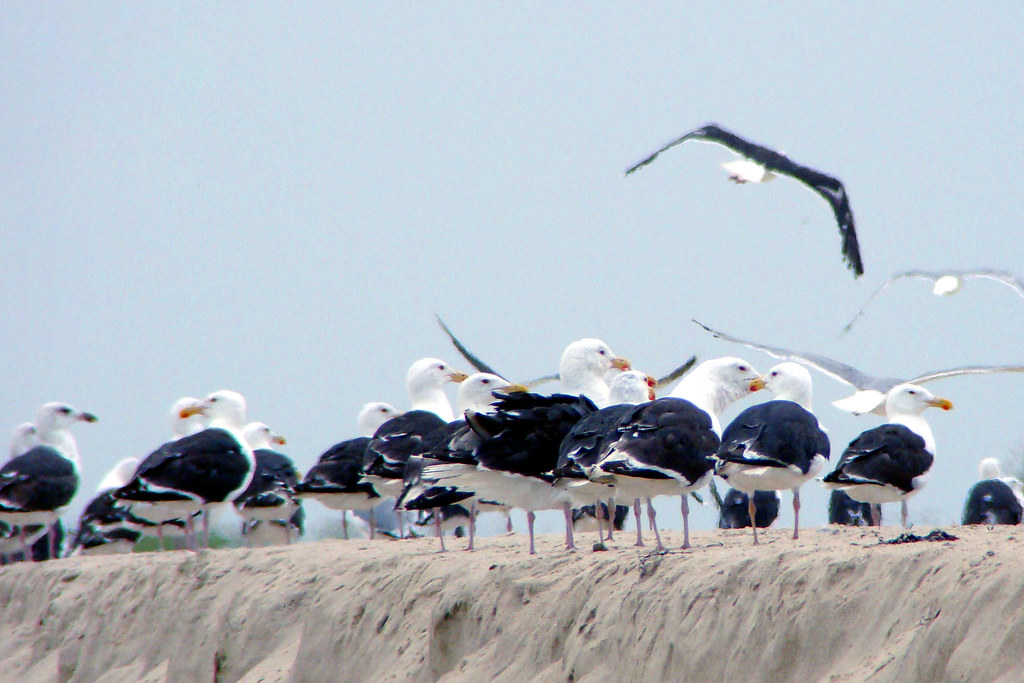
Army of GBBGs TW
Armies of gulls!

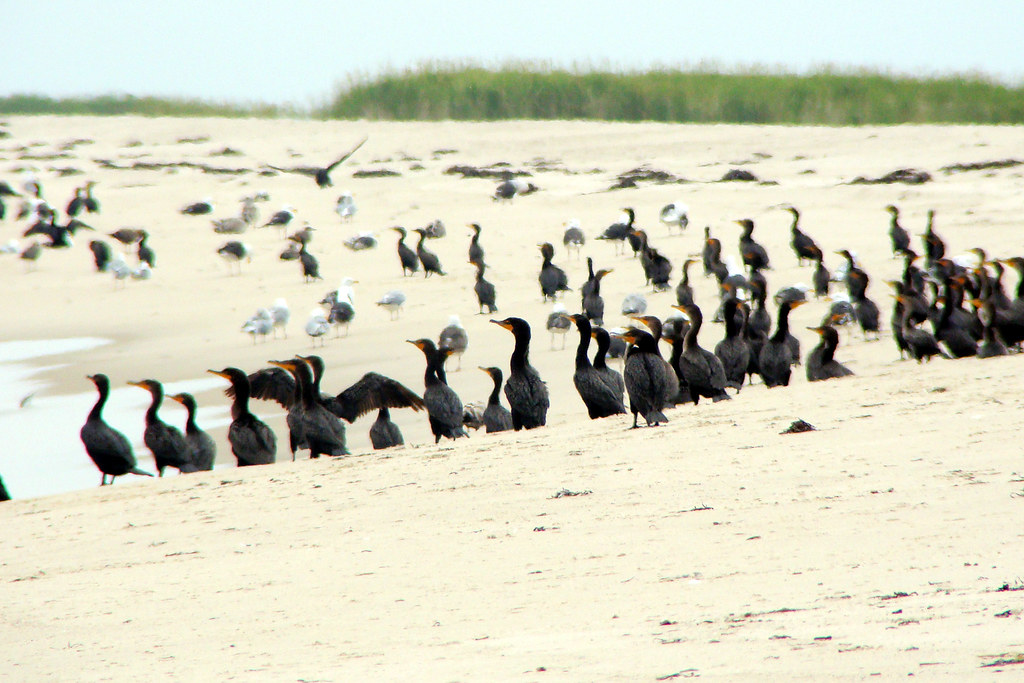
army of cormorants TW
Armies of cormorants, too.

plovers and pipers
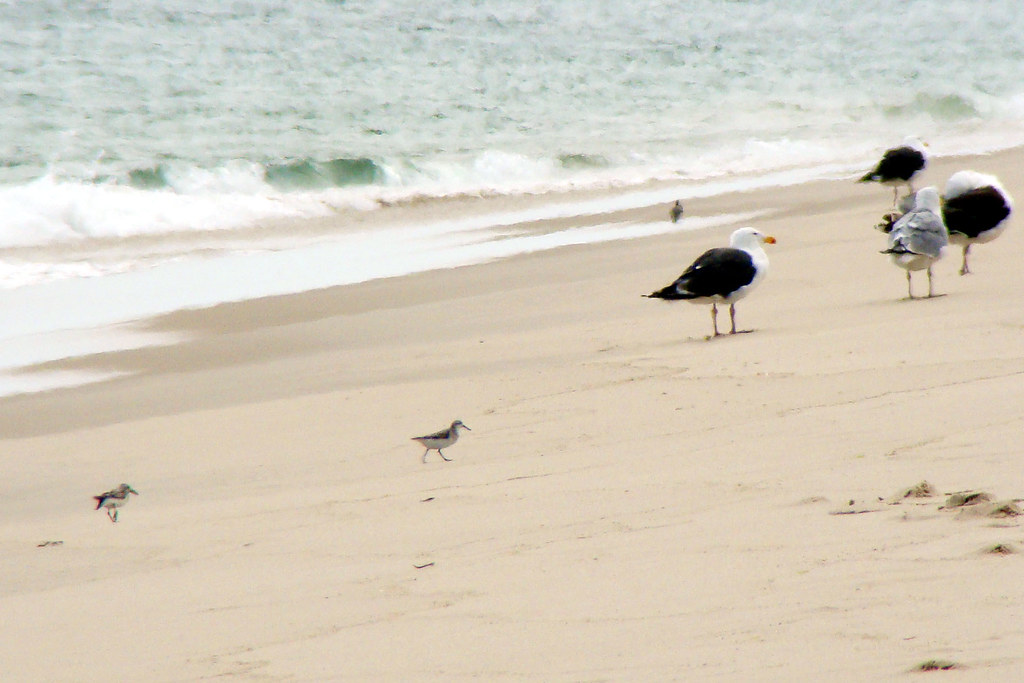
Tons of plovers and sandpipers!

southbeach tern
And terns galore!

We saw Black-bellied Plovers, Semipalmated Plovers, Sanderlings, Red Knots, Semipalmated Sandpipers, Ruddy Turnstones, Least Sandpipers, Short-billed Dowitchers, Common Terns, Roseate Terns, Ring-billed Gulls, Herring Gulls, Great Black-backed Gulls, Double-crested Cormorants, A Snowy Egret, a Dunlin, an American Oystercatcher, a Piping Plover, and a few bird species we couldn't identify at South Beach in Chatham. You have to be amazed at what we saw that day - in just ONE HOUR, no less!

Why did we stay for just one hour? Because it was hell on earth! We were not prepared for the voracious swarms of greenhead flies on the island. They attacked us the moment we arrived on the island and never stopped biting until we left. Greenhead fly bites HURT. And they were EVERYWHERE! After 30 minutes my daughter and I were screaming and swearing at the flies; after forty-five minutes we were crying and cursing and kicking at them like lunatics. Then we ran for our lives - and my son and husband weren't far behind us!
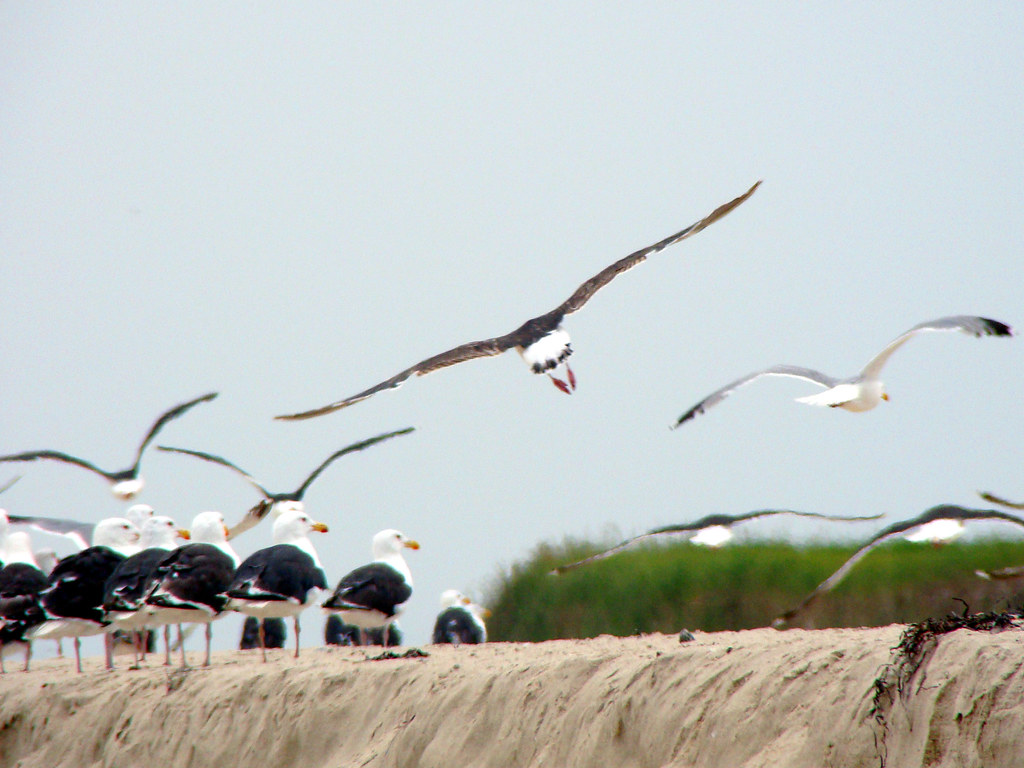
gulls ballet
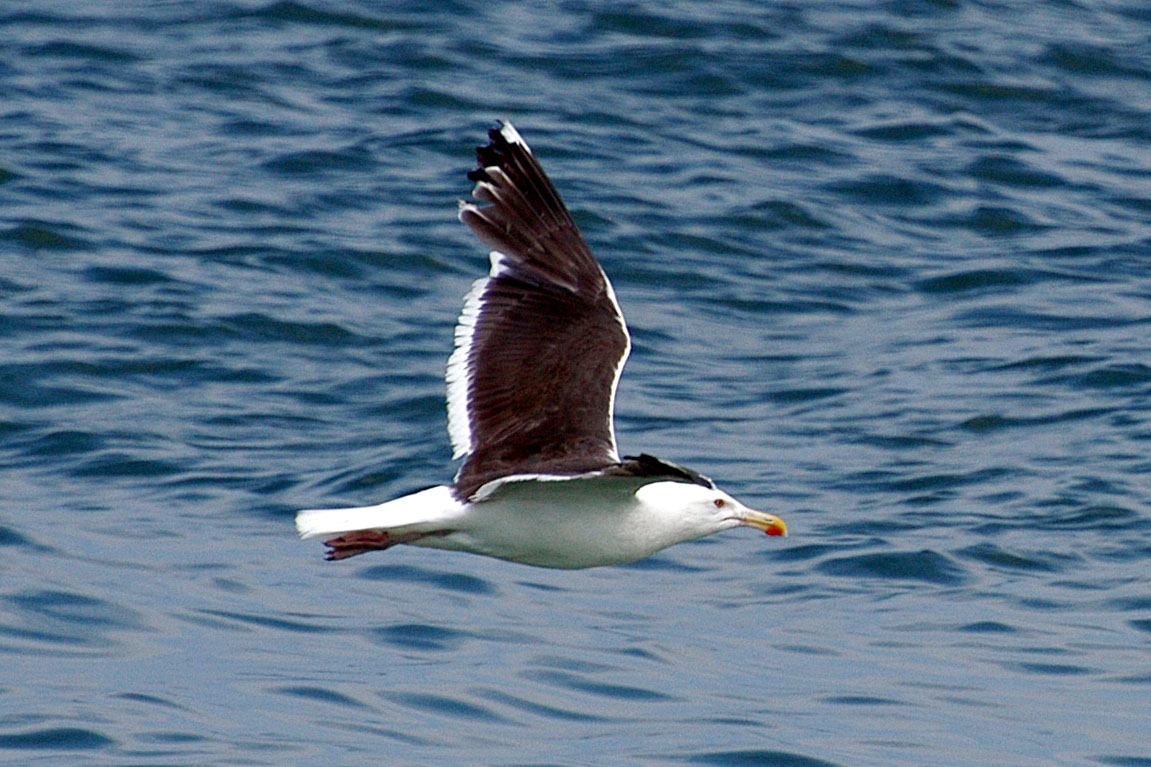
We didn't get many good pictures from our South Beach trip, obviously, but between the three cameras we did get a few images. The Great Black Backed Gulls taking off as if they were choreographed was impressive.
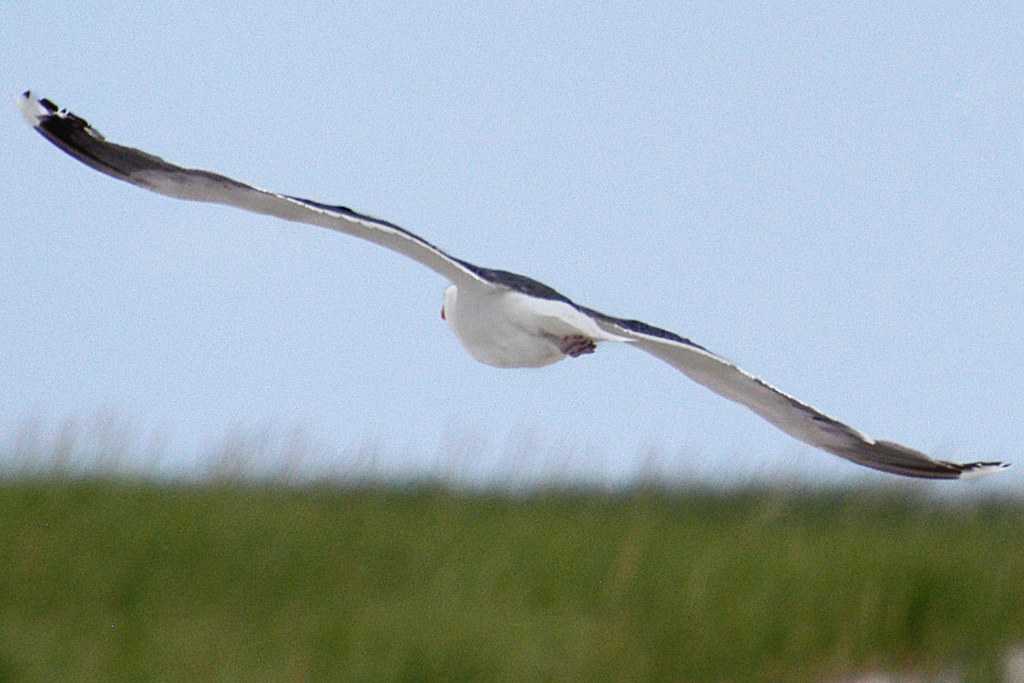
GBBG in flight copy
Great Black Backs are awe inspiring in flight, anyway!
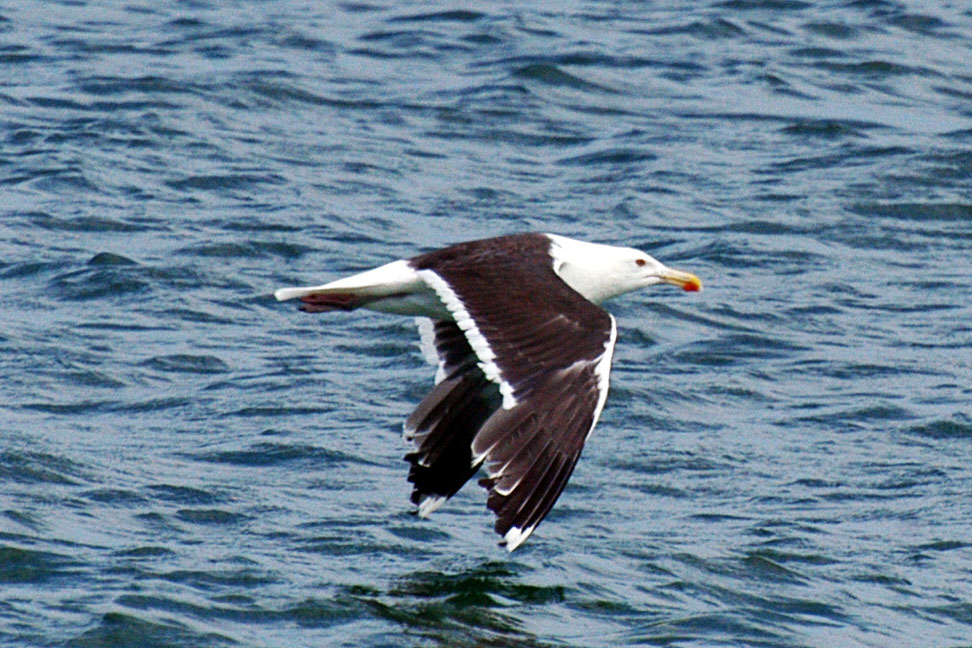
gbbg chatham copy

GreatBlackBackedGull Chatham

danger on the beach TW
I was also impressed by the brave little peeps sharing the beaches with predators that could eat them for lunch!
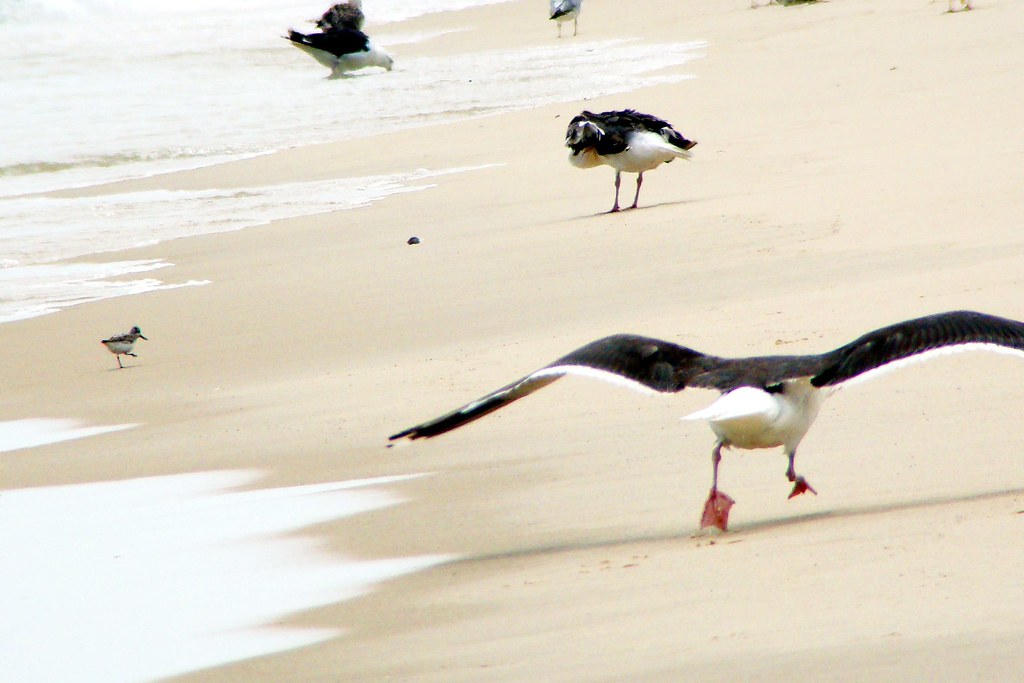
run for your lives TW
Even the predators ran when we got too close!
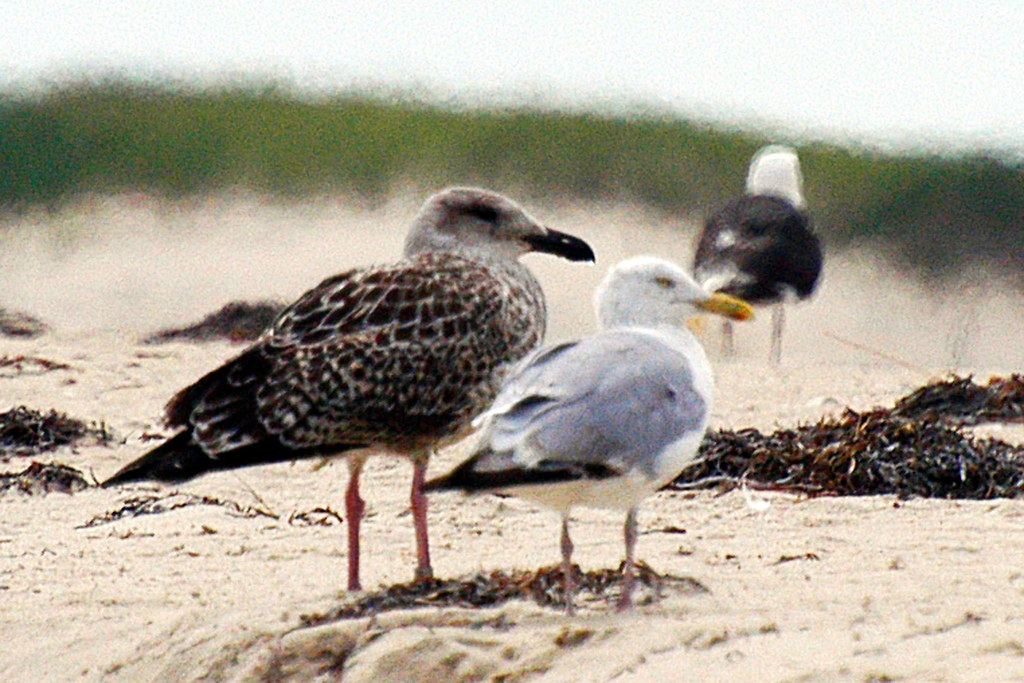
young gull
The immature Great Black-Backed hanging out with a Herring gull is kind of cute.
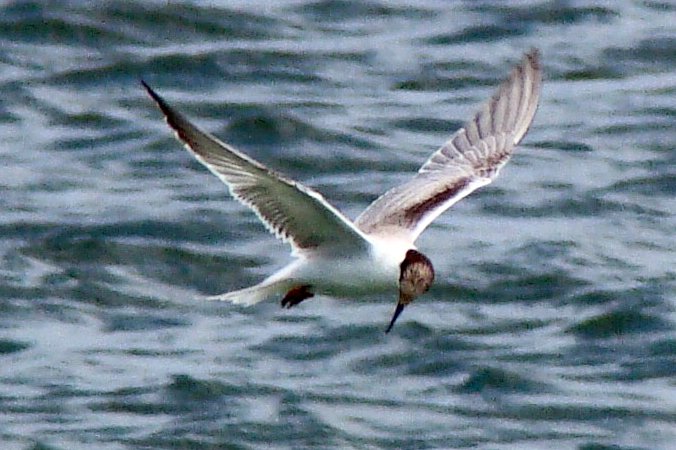
TW tern copy
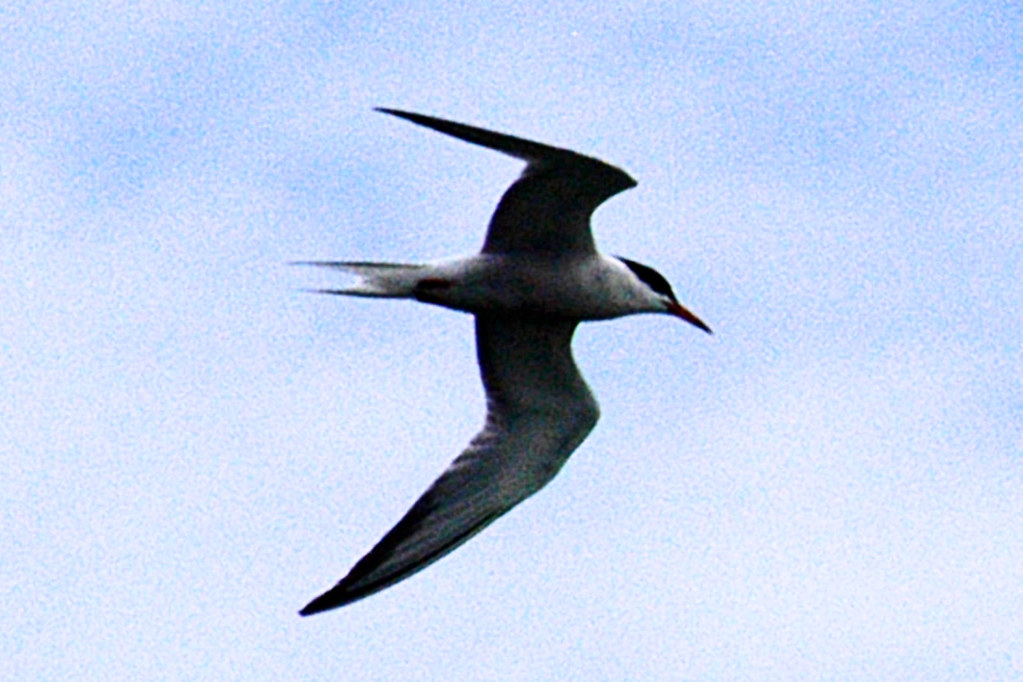
I love this picture of a Common Tern taken by my husband. He is still the undefeated champion of photography at our house, despite my new camera!
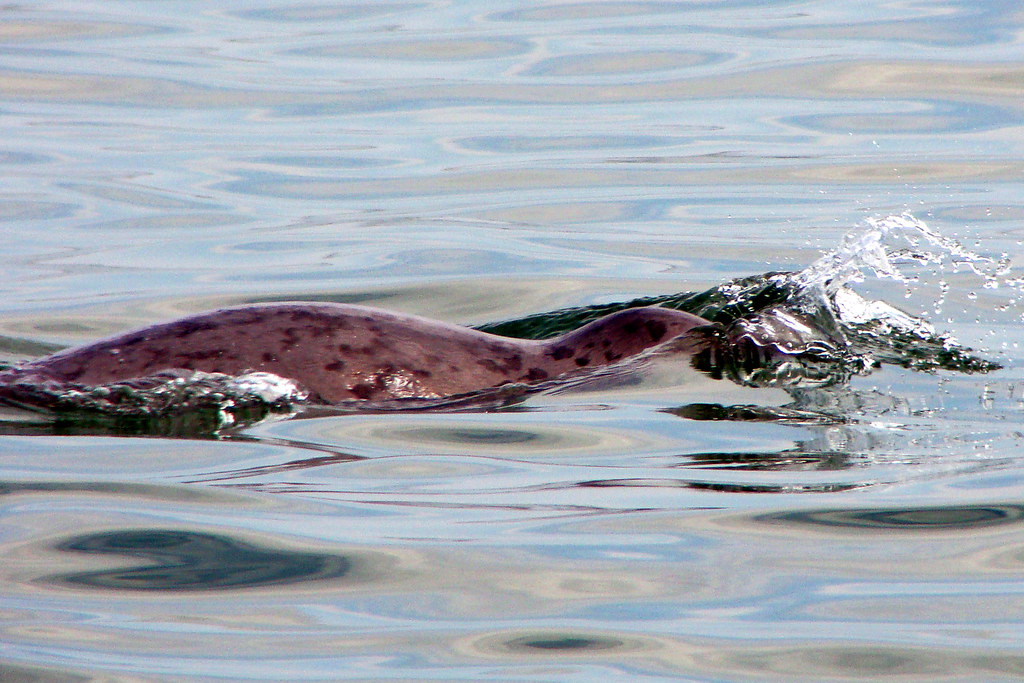
TW seal
He also took this picture. Do you know what it is!
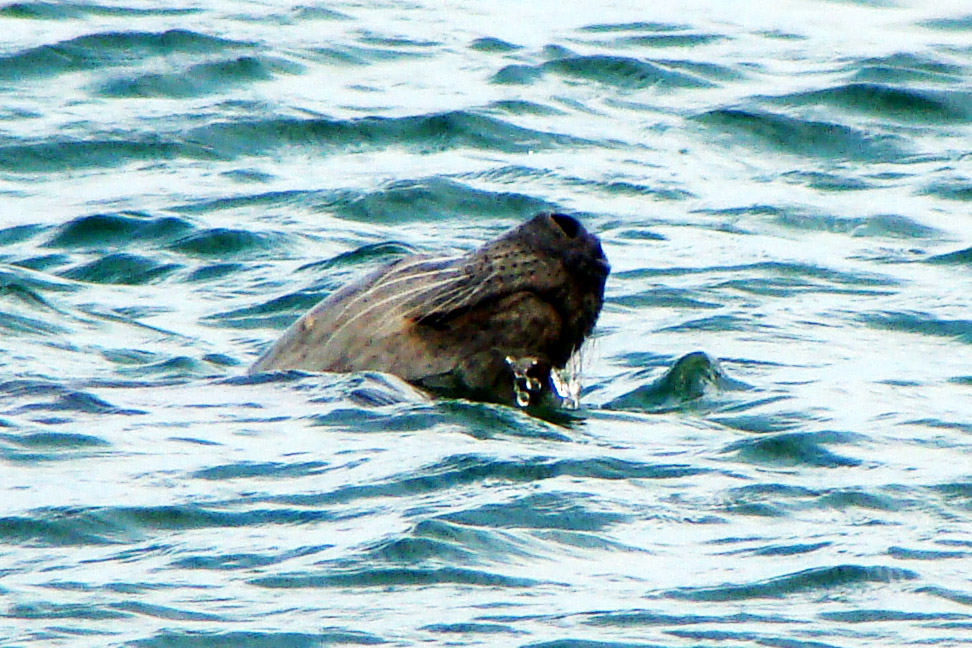
TW seal 2
It's a seal!

oystercatcher TW
This is a horrible picture, but at least you can tell it is an American Oystercatcher. Nor is that the only one we saw on vacation - there was one on a rocky peninsula right near our house!
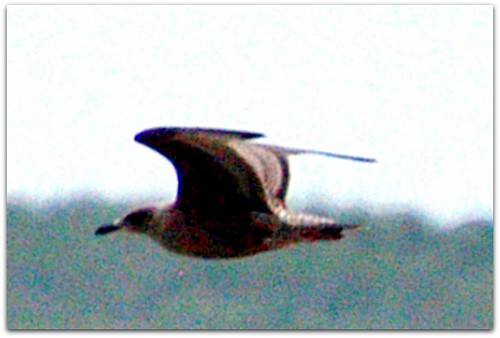
gull maybe
I'll close with some pictures of birds I can't identify, hoping that someone else can help me out. They are probably immature gulls of some sort, but I didn't think they were gulls at the time. The shape and/or coloring seemed off somehow.
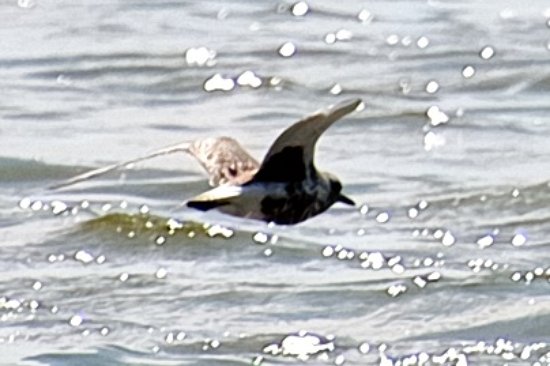
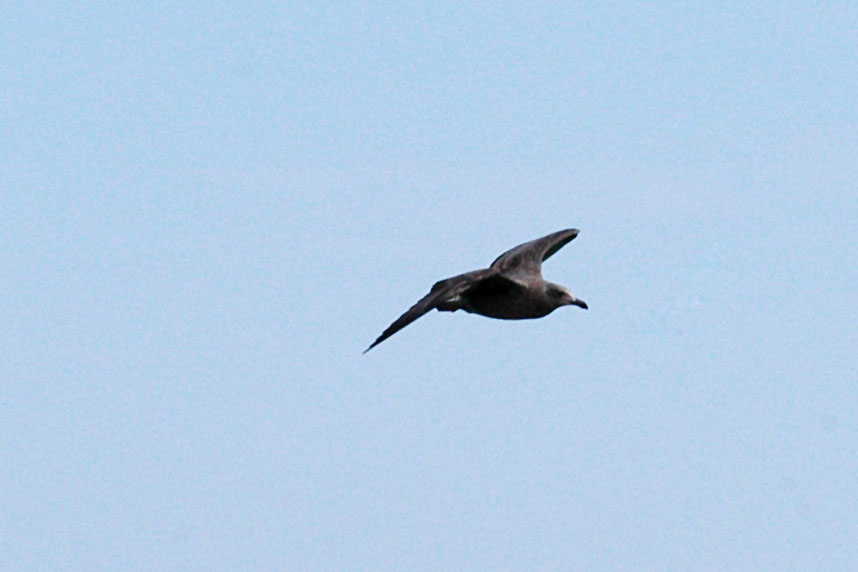
unknwn gull flying

greygull
It is primarily the color of this bird that is confusing me. Dark grey all over, without speckles, streaks, or a pattern.

In any case, the sheer variety and quantity of migrating birds at South Beach makes a return visit irresistible. My son and I are planning to go back this week if weather permits, but this time we will be prepared with long pants and long sleeves and as much bug spray as we can carry! (I'm even thinking about getting one of those beekeeper hats with the netting attached if I can find one!) Maybe fly season will REALLY be over this time! Let's hope I get some better photos, too!