6/09/2010

Our Precious Piping Plovers - Can They Survive?

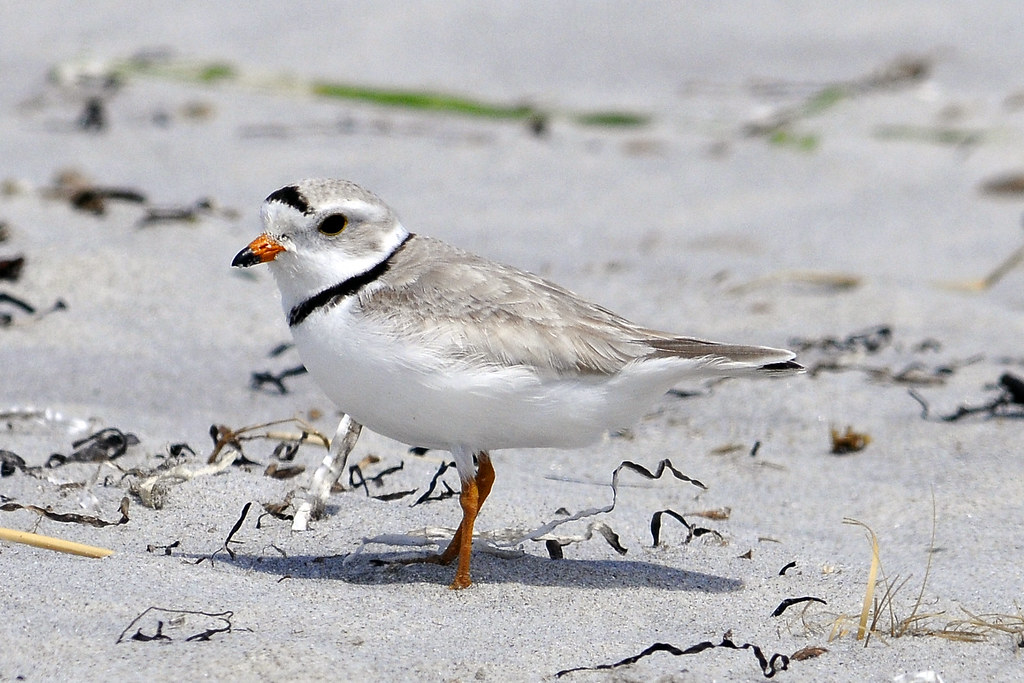
When I hear the phrase "endangered species," Piping Plovers is the first species that comes to mind. For many people in the northeast, the Endangered Species Act didn't have much of an impact on our personal lives until Piping Plovers became protected.   The was quite an emotional response to the news that people would not be allowed on the beaches if a Piping Plover nest was present. 

Emotions ran high on both sides of the issue.  There were many who felt they had an inalienable right to go for a walk on a beach whenever they wanted to.  They were outraged that kite-flying, walking dogs, and Fourth of July fireworks were suddenly illegal.  Other people were were so angry that they were ready to take up arms and shoot anyone who interfered with a Piping Plover's nest.
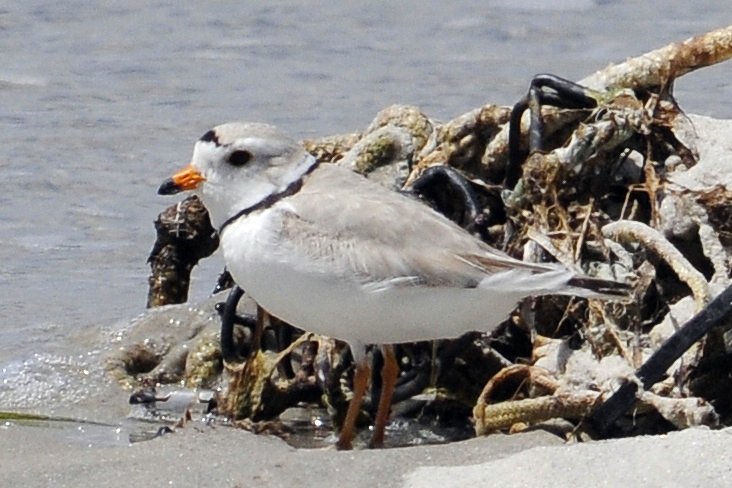
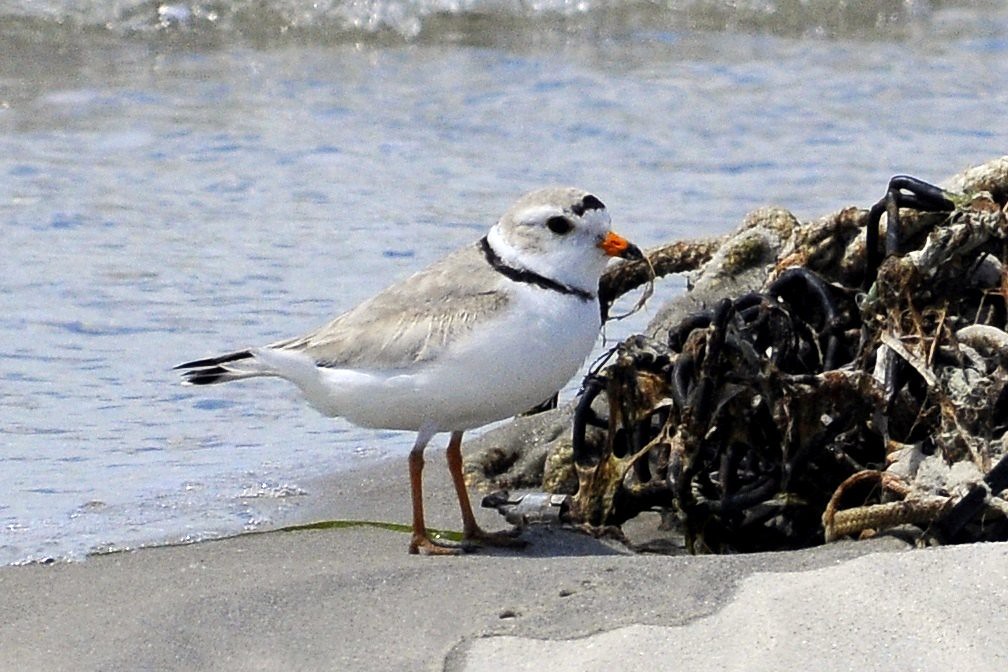
Twenty five years ago, Piping Plovers were on the brink of extinction.  After twenty-five years of federal and state protection, Piping Plovers are still threatened, but their status is much improved.   You might say that today Piping Plovers are on the brink of recovery.  Massachusetts had only 139 breeding pairs of Piping Plovers in 1986.  In 2008 the number of breeding pairs was estimated at 566 in Massachusetts.  The breeding population had more than quadrupled!


At the end of the summer, our precious Piping Plovers will fly south for the winter.  Unfortunately, they spend the winter in the Gulf of Mexico, where billion of gallons of deadly oil await their arrival this year. According to the Boston Globe, "piping plovers are one species whose survival is threatened by the oil spill."   If you've seen the pictures of oil soaked birds in the gulf, you can't help but despair.  For twenty-five years we've helped the Piping Plovers struggle to avoid extinction, but we are helpless in the face of this disaster.  I'm glad I got to see Piping Plovers this spring.  I just hope I didn't see them for the last time.

6/07/2010

Birds at the Beach

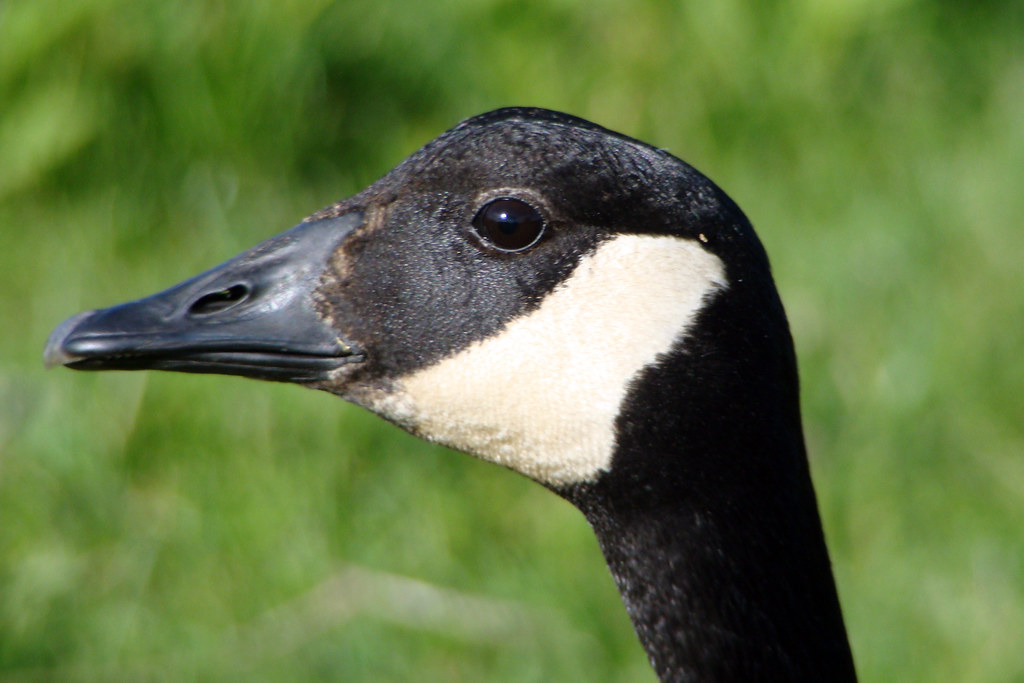
Here is my son's shot of the Mother Canada Goose we saw at Daniel Webster Santuary on Birdathon day.  Pretty awesome, right?

 And here is her brood of fuzzy goslings.

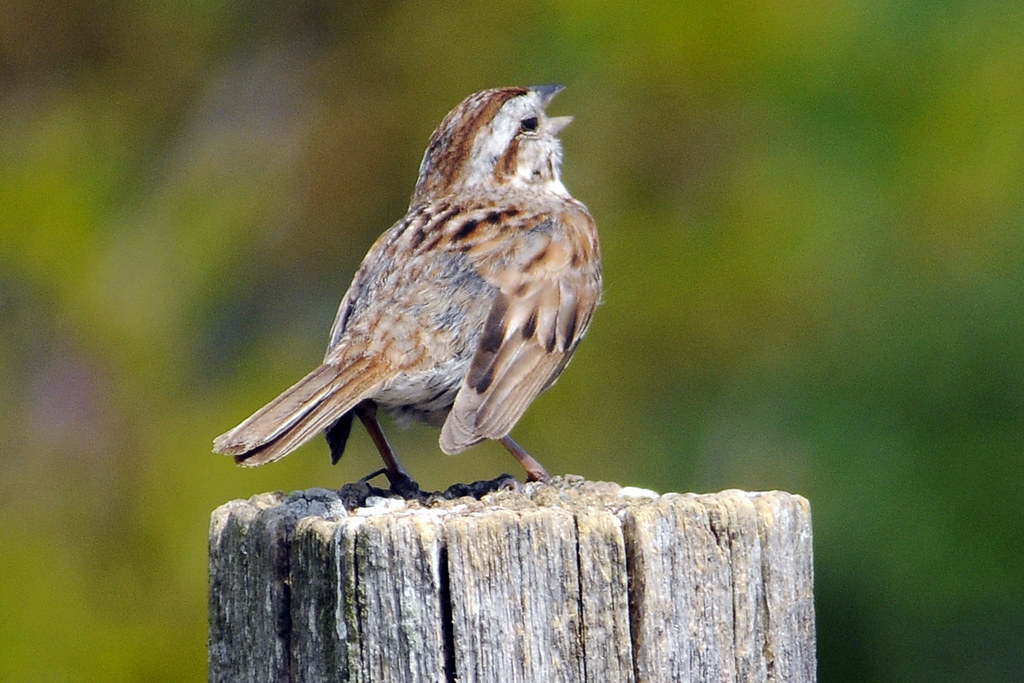
Tom's shot of a song sparrow singing at the beach.

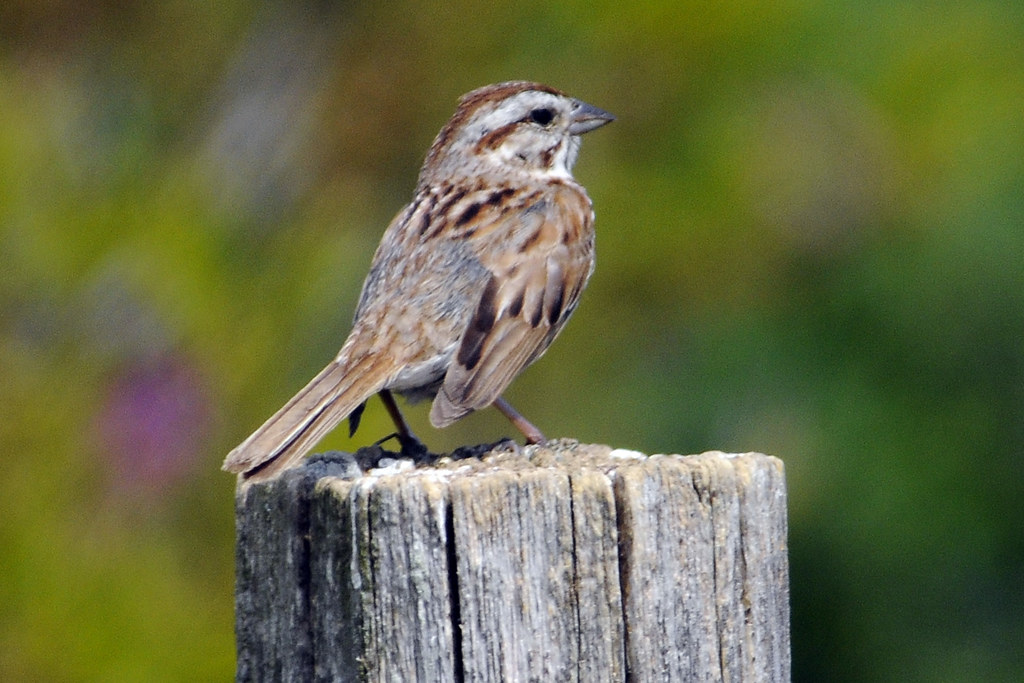
Song Sparrow not singing at the beach.

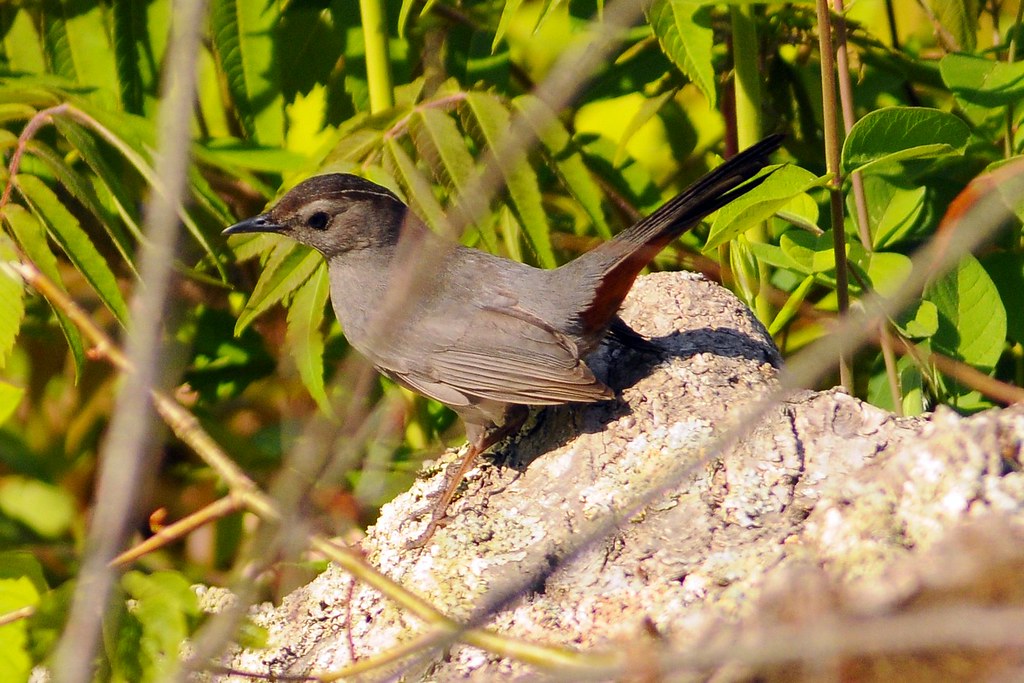
And a pretty Catbird enjoying the seashore!

6/05/2010

It CAN'T be a Lesser Black-backed Gull - or can it?

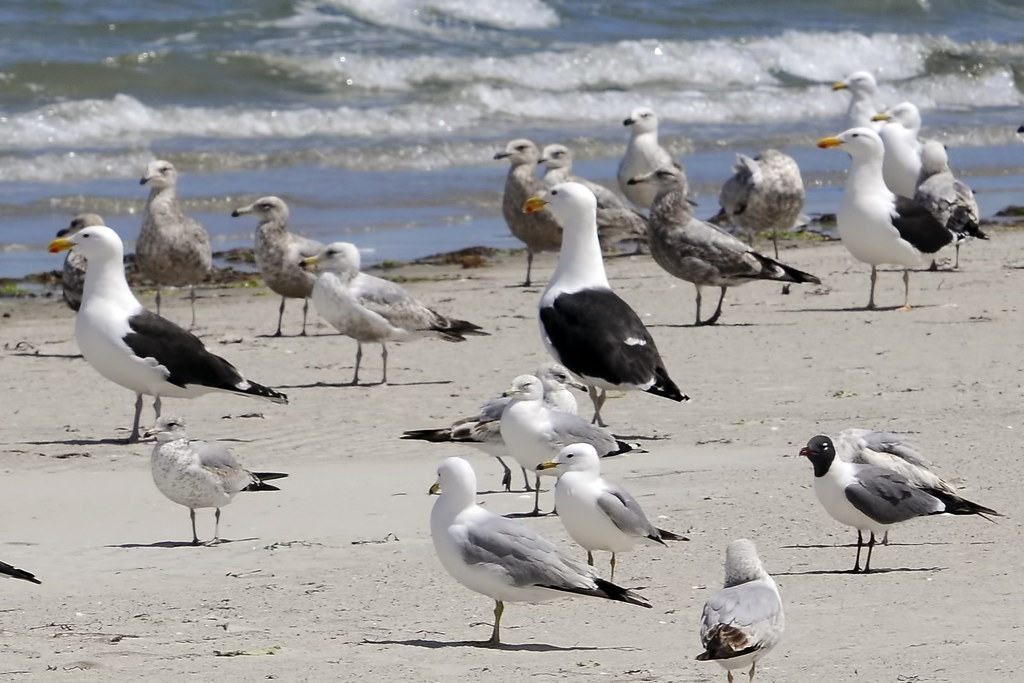
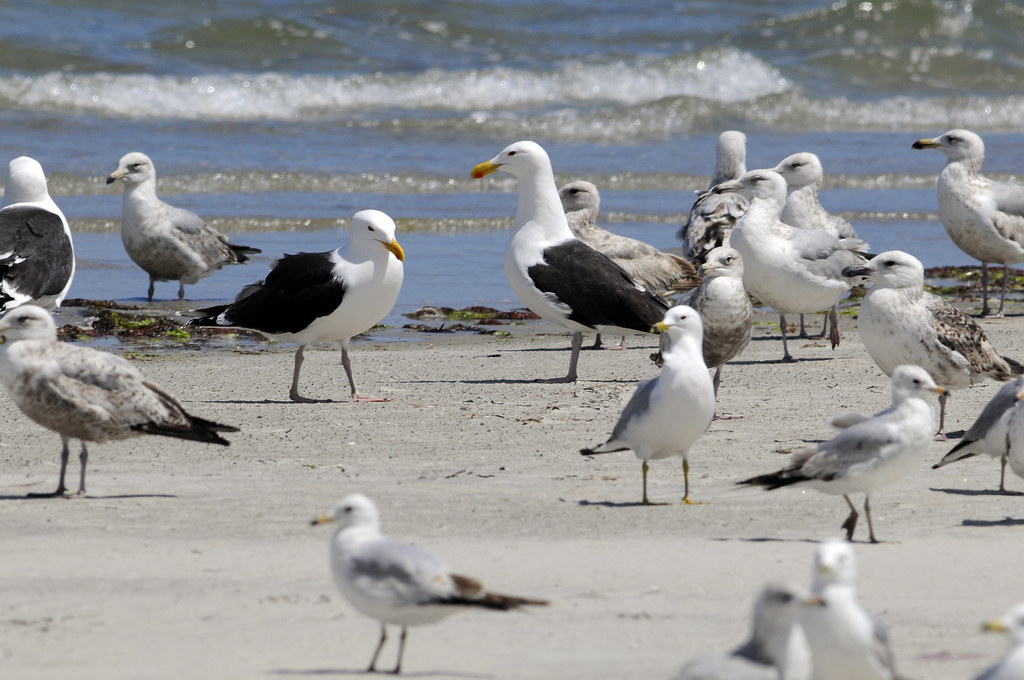
You probably don't remember the big excitement last summer when I had a confirmed sighting of a Lesser Black-backed Gull.  It was a thrilling experience because these are rare visitors from Europe that are occasionally blown clear across the Atlantic to end up in Massachusetts.  They closely resemble our local Great Black-backed Gull (a species I am particularly fond of ever since I saw one catch and eat a shark!) The Lesser Black-backed Gull is smaller and has yellow legs and feet; a very noticeable difference from the GBBG's pink legs and feet.  But what have we here?  Is it another Lesser Black-backed Gull?

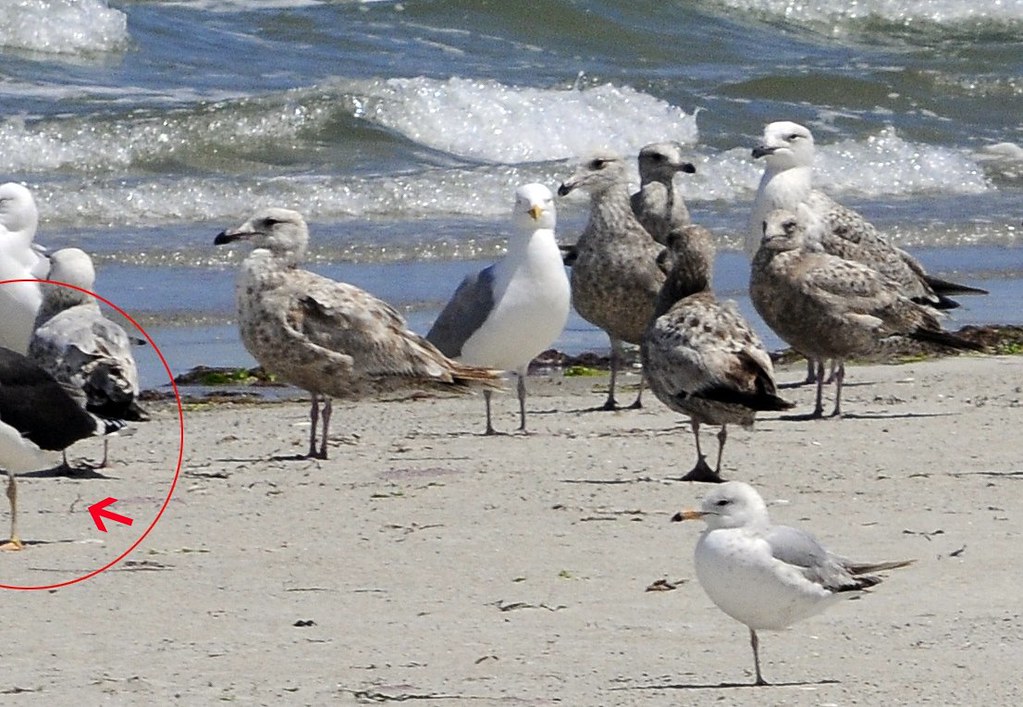
It can't be a Lesser Black-backed Gull.  It is impossible, despite the fact that the other two big black and white gulls have pinkish feet and legs and the one on the right does not.  I couldn't find a single sighting of a Lesser Black-backed Gull in Plymouth (or maybe anywhere in Massachusetts) in the month of May!

Great Black-backed Gulls have pinkish legs and feet like the ones above. The one with yellowish looking legs might have gotten his pink legs all sandy.  It is one possible explanation. 

But check this out!  Black back.  Very yellow legs!  Maybe it really is a Lesser Black-backed Gull!  It must be!  Unless, of course, it is a hybrid of some sort.  But that would be REALLY weird!

UPDATE:  It is NOT a Lesser Black-backed Gull, unfortunately.  Maybe next time!!